
25-year cost comparison: geothermal vs air-to-water heat pump
When owners hesitate between geothermal (ground-to-water) and an air-source heat pump (air-to-water), they often compare the installation price first. For a property investment, though, only the total cost of ownership over 25 years matters.
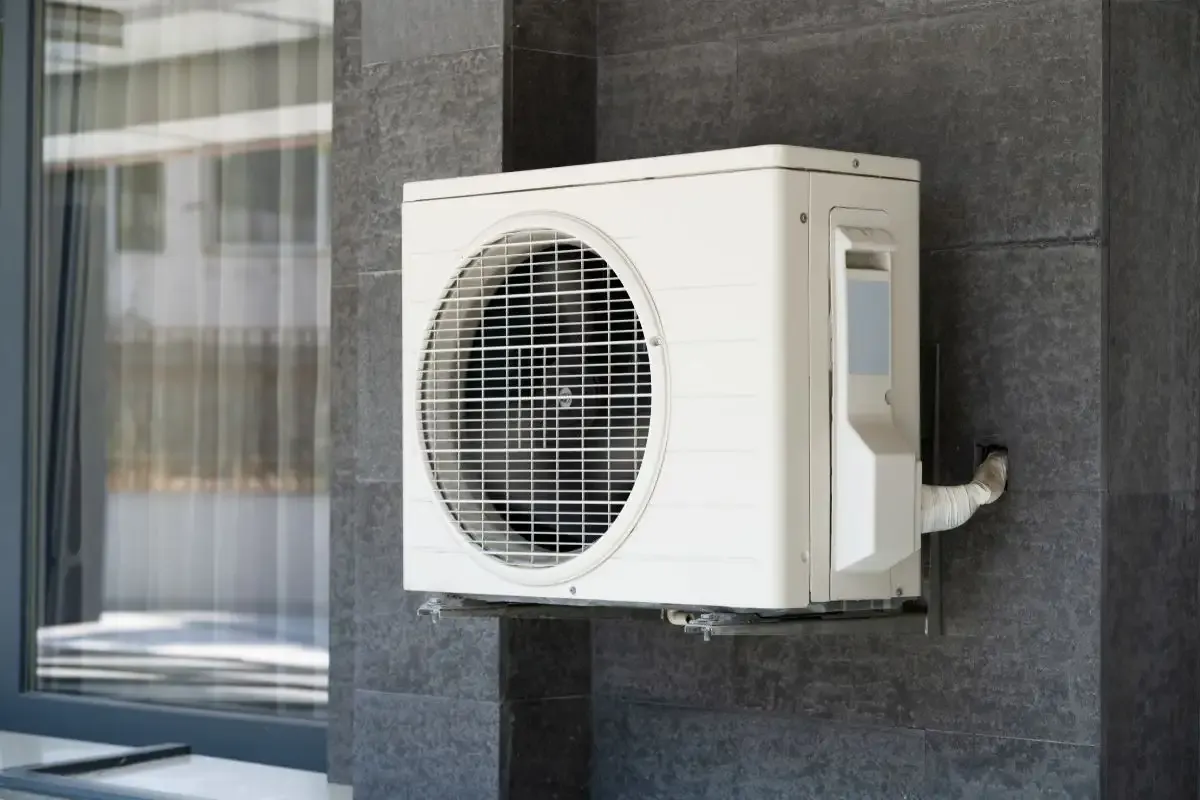
When owners hesitate between geothermal (ground-to-water) and an air-source heat pump (air-to-water), their first reflex is often to compare the upfront installation price. For a property investment, however, the only relevant view is the total cost of ownership (TCO) over 25 years. At WellDoneDrill, we have analysed the figures. Here is why geothermal wins the economic match over time.
1. The initial investment: the borehole is an asset, not an expense
It is true that a geothermal heat pump costs more at the start, mainly because of the 150-metre borehole.
- Air-to-water heat pump: About €12,000 to €18,000.
- Geothermal: About €25,000 to €35,000 (depending on the borehole). But there is a major difference: the outdoor unit of an air-to-water heat pump is a machine that wears out, while the borehole drilled by WellDoneDrill is property infrastructure that lasts more than 50 years.
2. Electricity consumption: the weight of the SCOP
The efficiency of an air-to-water heat pump drops when it is cold outside (exactly when you need it most). Geothermal, by contrast, draws on a source at a constant 12 °C.
- Air-to-water heat pump: Seasonal COP (SCOP) of about 3 to 3.5.
- Geothermal: SCOP of about 4.5 to 5.5. Over 25 years, for an average house, geothermal uses around 30 % to 40 % less electricity. With energy prices expected to rise, this saving adds up to tens of thousands of euros over two decades.
3. Lifespan and equipment replacement
This is where the difference becomes striking.
- Air-to-water heat pump: Exposed to the weather, frost and intensive defrost cycles, it lasts 12 to 15 years on average. Over 25 years, you will have to replace it twice.
- Geothermal: The heat pump sits indoors, in a dry and stable environment. It works less hard because the source is constant. It lasts 20 to 25 years.
- The borehole: It is never replaced. In 25 years, if you change the machine, you simply reconnect to your existing probes.
4. Maintenance and repair costs
An outdoor unit (air-to-water) needs regular fin cleaning, suffers from corrosion and has exposed moving parts (the fan). Geothermal is a sealed, passive circuit underground with a simple machine in the basement. Repair costs are statistically much lower for ground-source systems.
5. Geocooling: free air conditioning
In summer, an air-to-water heat pump has to reverse its cycle to cool, which uses a lot of electricity. Geothermal uses passive geocooling (only a small 50 W circulator runs). Over 25 summers, cooling comfort is almost free with geothermal, while it is expensive with an air-source system.
25-year balance (estimate for a 200 m² house)
- Initial installation: Air-to-water €15,000 · Geothermal (machine + borehole) €30,000
- Replacement in year 13: Air-to-water + €12,000 · Geothermal €0
- Electricity (estimate): Air-to-water €45,000 · Geothermal €28,000
- Maintenance and repairs: Air-to-water €4,000 · Geothermal €1,500
- TOTAL OVER 25 YEARS: Air-to-water (2 machines) €76,000 · Geothermal (1 machine + borehole) €59,500
Although the entry ticket is higher, geothermal delivers a net saving of more than €15,000 over 25 years, while offering greater comfort (silence and geocooling). Choosing WellDoneDrill means choosing real profitability and added value for your property.